
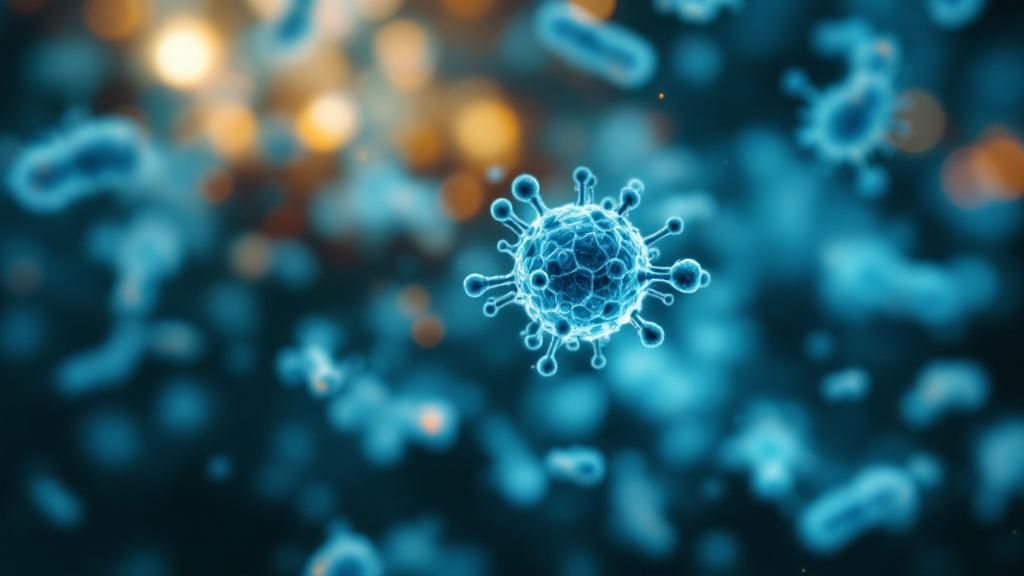
The WHO has introduced an ambitious new strategy to address the escalating global crisis of drug-resistant infections, a threat that jeopardises modern medicine itself. As disease-causing organisms progressively acquire immunity to our leading therapies, medical systems across the globe face unprecedented challenges. This comprehensive initiative outlines coordinated efforts throughout various industries, from antibiotic stewardship to disease control, intended to protect the potency of antimicrobial medicines for coming generations and protect public health on a worldwide basis.
Understanding the Worldwide Antimicrobial Resistance Crisis
Antimicrobial resistance (AMR) represents one of the most pressing public health concerns of our time, threatening to undermine decades of medical progress. When microorganisms such as bacteria, viruses, fungi, and parasites develop the ability to resist the drugs designed to eliminate them, treatments lose their effectiveness, leading to prolonged illness, increased hospitalisation rates, and greater fatalities. The World Health Organisation estimates that without urgent measures, antimicrobial resistance could result in approximately 10 million deaths per year by 2050, exceeding fatalities caused by cancer and diabetes combined.
The emergence of drug-resistant pathogens is hastened by multiple interconnected factors, including the excessive use and inappropriate application of antibiotic drugs in both human and veterinary medicine. Insufficient infection prevention protocols in healthcare facilities, poor sanitation, and restricted availability of effective pharmaceuticals in developing nations further exacerbate the issue. Additionally, the agricultural sector’s widespread application of antibiotics for growth enhancement in livestock contributes significantly in the emergence and transmission of resistant organisms, producing a serious worldwide health emergency requiring coordinated international intervention.
The Magnitude of the Problem
Current epidemiological data demonstrates alarming trends in antimicrobial resistance across all regions worldwide. Multidrug-resistant tuberculosis, methicillin-resistant Staphylococcus aureus (MRSA), and carbapenem-resistant Enterobacteriaceae represent particularly troubling pathogens. Hospital-acquired infections caused by resistant organisms lead to significant financial strain, with higher therapy expenses and lost productivity affecting both developed and developing nations. The financial implications extend beyond direct medical expenses to encompass wider community effects.
The COVID-19 pandemic has amplified antimicrobial resistance issues, as healthcare systems faced unprecedented pressure and antimicrobial stewardship programmes were often overlooked. Secondary bacterial infections in hospitalised patients often necessitated broad-spectrum antibiotics, potentially selecting for resistant organisms. This period underscored the vulnerability of global health infrastructure and emphasised the urgent necessity for comprehensive strategies addressing antimicrobial resistance as an integral component of pandemic preparedness and overall healthcare system resilience.
WHO’s Integrated Strategy to Combating Resistance
The World Health Organisation’s strategy represents a paradigm shift in how nations jointly address drug-resistant infections. By bringing together scientific research, policy implementation, and health promotion programmes, the WHO structure sets out a coordinated strategy that goes beyond regional limits. This extensive approach understands that combating resistance necessitates concurrent efforts across medical facilities, agricultural practices, and environmental stewardship, confirming that antimicrobial medications continue working for managing critical bacterial infections across all communities worldwide.
Essential Foundations of the Strategy
The WHO strategy is built upon five linked pillars designed to drive lasting transformation in how nations handle antibiotic consumption and resistance patterns. Each pillar tackles particular elements of the drug resistance problem, from improving laboratory testing to regulating pharmaceutical distribution. The strategy prioritises evidence-informed approaches and global cooperation, guaranteeing that countries share best practices and align their efforts. By setting defined targets and oversight mechanisms, the WHO framework allows member states to monitor advancement and adjust interventions based on emerging epidemiological data and scientific advancements.
Implementation of these pillars demands significant funding in medical facilities, especially in low and middle-income countries where diagnostic capabilities continue to be limited. The WHO acknowledges that successful resistance mitigation hinges on fair availability to detection methods, reliable drugs, and professional training programmes. Furthermore, the framework encourages transparency in reporting antimicrobial resistance information, facilitating worldwide tracking systems to detect new risks quickly. Through collaborative governance structures, the WHO guarantees that developing nations receive specialised guidance and monetary support required for proper execution.
- Bolster diagnostic capacity and laboratory infrastructure globally
- Control antimicrobial use through prescribing stewardship programmes
- Enhance infection control and prevention measures consistently
- Promote responsible antimicrobial use in agriculture approaches
- Support development of new treatment options and alternatives
Deployment and Worldwide Influence
Staged Implementation and Structural Support
The WHO’s strategy implements a carefully structured staged methodology to guarantee successful implementation across varied healthcare systems internationally. Commencing via trial programmes in resource-limited settings, the programme provides expert guidance and financial support to improve laboratory capacity and monitoring systems. Participating countries obtain bespoke advice accounting for their particular disease patterns and healthcare infrastructure. Cross-border partnerships with pharmaceutical companies, universities, and NGOs enable information exchange and resource allocation. This collaborative framework enables countries to adjust global recommendations to regional contexts whilst maintaining alignment with broader health goals.
Institutional support mechanisms form the bedrock of long-term implementation efforts. The WHO has created regional coordinating hubs to monitor progress, provide training programmes, and share effective approaches across geographical areas. Financial commitments from wealthy economies support capacity building in less affluent nations, addressing established healthcare gaps. Continuous monitoring structures track patterns of antimicrobial resistance, patterns of antibiotic use, and treatment outcomes. These data-driven surveillance mechanisms enable stakeholders to identify emerging challenges without delay and modify responses in response, guaranteeing the strategy stays adaptive to shifting public health circumstances.
Sustained Health and Economic Impacts
Effectively tackling antimicrobial resistance offers transformative benefits for worldwide health protection and economic stability. Maintaining antimicrobial effectiveness protects surgical interventions, oncological therapies, and care for immunocompromised patients from catastrophic complications. Healthcare systems preventing widespread resistant infections lower treatment expenses, as antimicrobial-resistant organisms require prolonged hospitalisations and expensive alternative therapies. Developing nations especially benefit from prevention strategies, which demonstrate far greater cost-effectiveness than managing treatment setbacks. Agricultural productivity improves when unnecessary antimicrobial use diminishes, reducing environmental contamination and maintaining livestock health.
The WHO forecasts that robust management of antimicrobial resistance could avert millions of deaths annually whilst producing significant economic savings by 2050. Enhanced infection prevention lowers disease burden across susceptible communities, bolstering general population resilience. Long-term drug development becomes feasible when demand stabilises and resistance pressures decline. Educational initiatives promote community understanding, encouraging appropriate medication use and minimising unnecessary prescriptions. This integrated plan ultimately preserves the foundations of modern medicine, ensuring coming generations maintain access to life-saving treatments that contemporary society increasingly takes for granted.
