
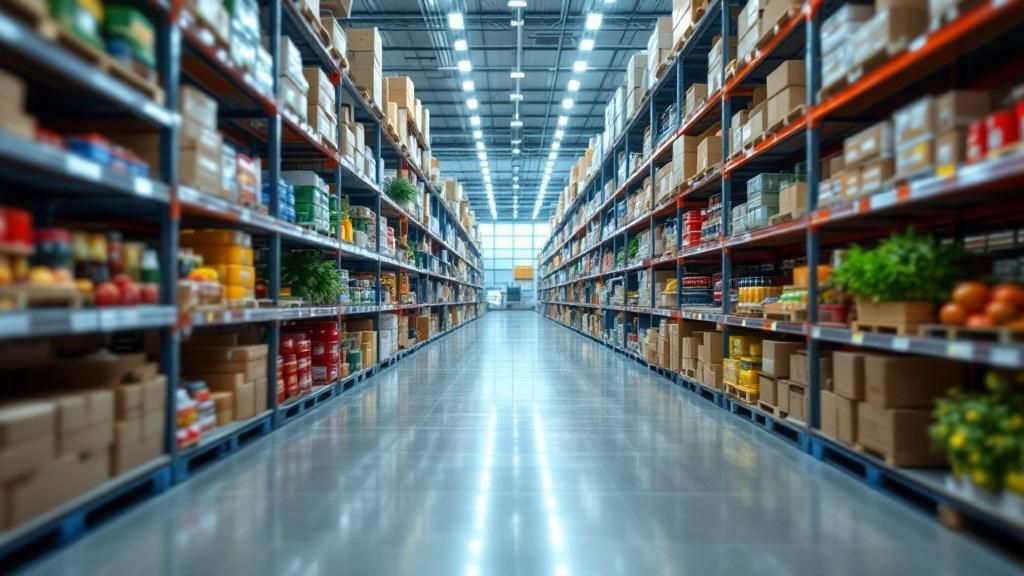
In an era where ecological accountability and economic performance align, leading retail operators across the UK and Europe are overhauling their operations through groundbreaking sustainability initiatives. Rather than viewing eco-conscious practices as a costly burden, forward-thinking retailers are discovering that advanced sustainability approaches—from clean energy implementation to waste management initiatives—substantially slash operating expenses whilst at the same time boosting brand reputation. This article investigates how major retail businesses are utilising sustainable practices to realise significant financial gains, setting new industry standards and demonstrating that profitability and ecological responsibility need not be mutually exclusive.
Efficient Energy Use and Renewable Integration
Retail chains across the United Kingdom have acknowledged that energy consumption constitutes one of their most substantial operating costs. By introducing wide-ranging energy-saving initiatives and shifting to clean energy alternatives, major retailers are achieving significant financial savings whilst decreasing their carbon footprint. This deliberate transition covers everything from refurbishing structural components to allocating resources for solar panels and wind energy partnerships, showing that sustainability and profitability are deeply intertwined in current retail business models.
The integration of renewable energy into retail operations has accelerated dramatically over recent years, motivated by both ecological awareness and the decreasing costs of solar and wind technology. Top supermarket retailers and department stores are now generating substantial portions of their electricity from renewable sources, either through on-premises systems or long-term power purchase agreements with clean energy suppliers. This move not only reduces reliance on fluctuating fuel markets but also provides retailers with greater energy price stability and predictability for budget forecasting.
Beyond renewable energy adoption, retailers are investing heavily in structural envelope enhancements, including enhanced insulation, high-efficiency windows, and modern HVAC systems. These structural improvements, despite requiring upfront capital expenditure, deliver rapid returns through decreased energy expenses and improved customer comfort. Furthermore, a growing number of UK retailers are benefiting from government support programmes created to support environmentally responsible commerce, making these investments increasingly accessible to businesses of varying scales.
LED Lighting and Smart Controls
Light-emitting diode technology has reshaped retail lighting, offering energy savings of up to eighty percent compared to older incandescent and fluorescent technologies. Leading retail businesses have progressively upgraded outdated lighting infrastructure with LED alternatives throughout their outlets, storage facilities, and distribution hubs. The increased durability of LED bulbs markedly decreases servicing costs and labour demands, whilst simultaneously improving lighting quality and establishing more attractive retail spaces that boost customer contentment and revenue results.
Smart lighting control systems represent the next development in retail power efficiency, employing sensors, timers, and artificial intelligence to optimise illumination based on space usage, natural daylight availability, and time of day. These intelligent systems continuously regulate lighting levels in instantaneous fashion, eliminating unnecessary energy consumption whilst ensuring optimal visibility for both customers and staff. Integration with building management systems enables retailers to monitor energy usage patterns, identify inefficiencies, and deploy targeted improvements across their entire estate.
- LED bulbs consume 80% less energy than conventional lighting solutions.
- Smart sensors self-regulate brightness based on occupancy levels.
- Daylight harvesting systems reduce electric lighting during daylight hours.
- Reduced maintenance costs resulting from extended LED bulb lifespan and durability.
- Improved patron satisfaction through superior light output and ambiance.
Streamlined Supply Chain Operations and Waste Minimisation
Modern retail chains are fundamentally restructuring their supply chain operations to eliminate inefficiencies and minimise waste at each point. By adopting cutting-edge logistics technology and live stock tracking solutions, retailers can reliably project sales requirements, minimise excess inventory, and curtail unnecessary transportation. These technological investments not only optimise workflows but substantially reduce fuel consumption and related environmental pollution. Furthermore, efficient logistics systems reduce product spoilage and damage during transit, directly translating to improved financial returns whilst also decreasing environmental impact.
Packaging constitutes a considerable element of store waste, prompting forward-thinking retailers to overhaul their method of protecting and presenting products. Many top supermarkets now utilise biodegradable, recyclable, and minimalist packaging designs that significantly decrease material expenditure whilst attracting eco-aware shoppers. By working alongside suppliers to standardise package sizes, retailers realise greater stock storage and shipping efficiency. These deliberate adjustments produce significant financial benefits through decreased packaging spending, minimised warehouse space, and lower disposal costs, illustrating that environmental responsibility and financial savings are intrinsically linked.
Waste reduction initiatives move past packaging into broad resource recovery programmes throughout retail operations. Retailers are creating closed-loop models where returned products, damaged goods, and surplus inventory are restored, reallocated, or sustainably recycled rather than disposed of. These programmes generate extra income sources through secondary markets whilst minimising landfill contributions. Team education and participation in waste reduction initiatives foster a culture of environmental responsibility, enhancing employee satisfaction and retention whilst concurrently decreasing business expenditure related to refuse removal and administration.
Circular Economic Initiatives
Circular economy principles are transforming how retail businesses approach product lifecycles and resource use. Rather than the traditional linear “take-make-dispose” model, innovative retail businesses are implementing circular systems where goods are created for longevity, repairability, and eventual recycling. Producer responsibility schemes incentivise customers to return damaged goods for refurbishment or proper recycling, establishing long-term sustainable operations. These programmes lower demand for virgin raw materials, reduce production expenses through material reclamation, and foster brand loyalty through clear sustainability dedication and transparent sustainability reporting.
Leading retailers are implementing take-back schemes and refurbishment centres that prolong product lifespans whilst realising residual value. Customers bringing back pre-owned garments, gadgets, or home essentials receive rewards including voucher discounts or loyalty points, driving uptake and sustained participation. Refurbished products are returned to stock at lower price levels, capturing price-sensitive market segments and optimising profit margins. This cyclical model simultaneously lowers purchasing costs for new inventory, reduces disposal expenses, and strengthens competitive positioning in an highly contested retail landscape where environmental credentials substantially shape consumer purchasing decisions.
Customer Engagement and Brand Worth
Retailers adopting green strategies have discovered a powerful catalyst for consumer involvement and brand loyalty. Consumers are increasingly choosing shopping with environmentally conscious companies, making sustainability initiatives a key differentiator. By openly discussing their sustainability achievements—whether through environmentally responsible packaging, low-carbon shipping methods, or responsible sourcing practices—retailers deepen customer relationships with customers. This heightened engagement translates into more frequent buying, favourable customer referrals, and enhanced brand perception, ultimately driving revenue growth whilst concurrently decreasing environmental impact.
The link between sustainability and brand value has become undeniable in the current marketplace. Retailers promoting environmental responsibility attract socially conscious demographics and set themselves apart from competitors. Enhanced brand reputation supports premium pricing prospects and repeat business, offsetting upfront expenses in sustainable infrastructure. Furthermore, accolades and press attention of sustainability achievements enhance brand visibility and credibility. These linked advantages demonstrate that environmental stewardship represents not just a cost-reduction strategy, but a comprehensive business investment that reinforces brand equity and ensures sustained business success in an growing environmentally conscious consumer landscape.
